How to Choose the Right Aluminized Silicon Steel Coating Weight: AS80 to AS300 Explained
Which aluminized silicon steel coating weight do I need — AS80, AS120, AS240 or AS300?
This is the question our technical team answers most often, and the answer depends on three inputs: how aggressive the environment is, how long the part must last, and what mechanical demands the application places on the sheet. Below is how the four commercial grades differ in practice.
What does the AS number actually measure?
More coating mass means more aluminum-silicon material per unit area — thicker barrier, longer corrosion life, higher cost. MESCO production is dual-certified to ASTM A463 and EN 10346 where required.
AS80: when is the lightest coating enough?
Typical uses: residential HVAC ductwork and air handling components, interior oven and range parts, automotive heat shields in protected underbody locations, light industrial enclosures operating up to 400°C.
AS120: why is it the industry workhorse?
Typical uses: exhaust pipes, muffler bodies and tailpipe assemblies, commercial kitchen equipment and industrial ovens, HVAC heat exchangers, gas boiler flue components and water heater shells, catalytic converter housings and exhaust brackets. Stock exceeds 3,000 tons across grades and thicknesses, with delivery in as little as 3 days.
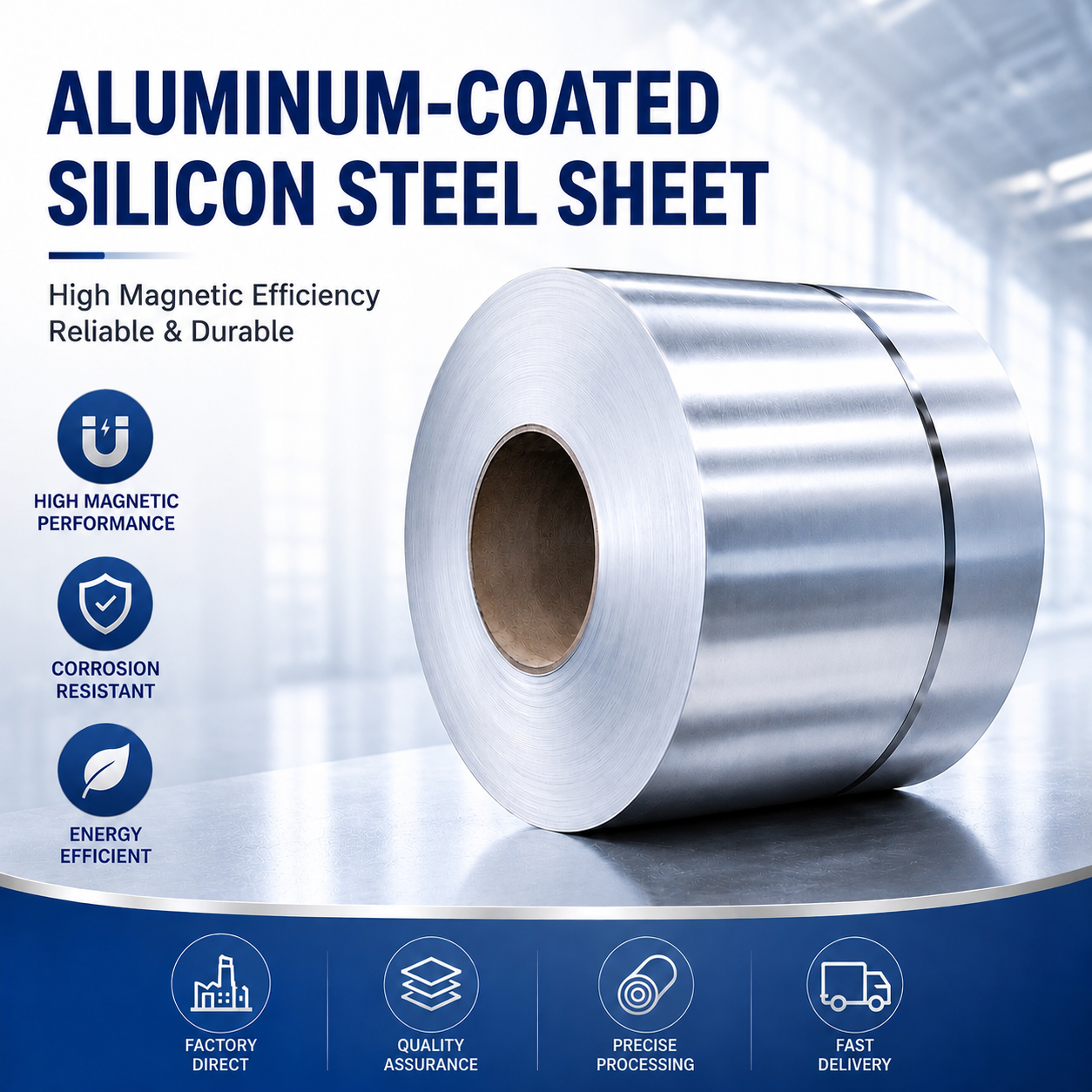
AS240: when do you need heavy-coat protection?
Typical uses: oil and gas pipeline insulation jacketing (onshore and offshore), LNG facility insulation jackets, petrochemical piping and equipment insulation, industrial furnace and boiler exterior cladding.
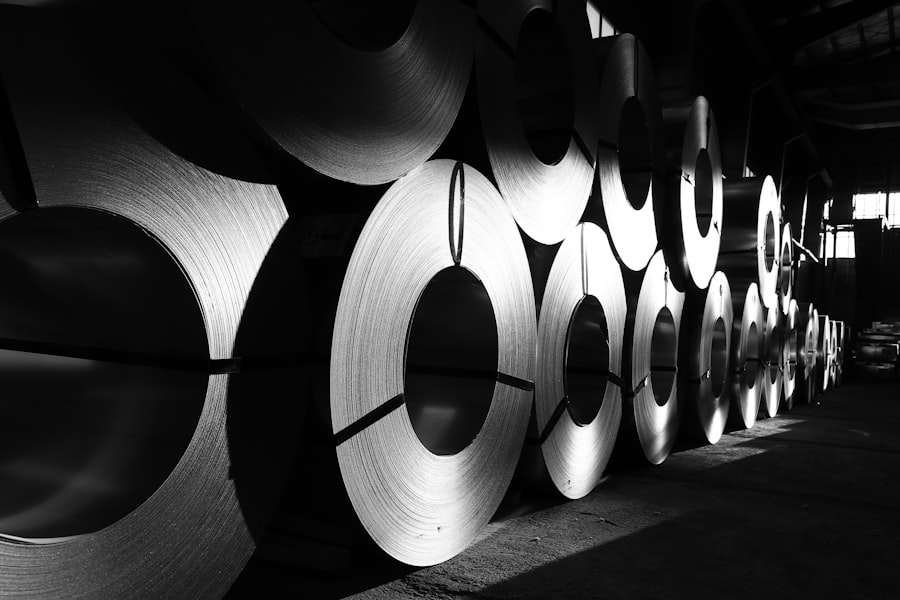
AS300: where is the heaviest coating justified?
The added coating mass over AS240 improves salt-fog performance, cut-edge protection and long-term barrier integrity — relevant where projects specify 20–30 year service life without re-cladding.
How do the four grades compare at a glance?
| Grade | Min. coating (g/m²) | Corrosion duty | Typical applications |
|---|---|---|---|
| AS80 | 80 | Moderate, dry heat | HVAC ductwork, oven interiors, heat shields |
| AS120 | 120 | Standard exhaust and appliance | Mufflers, exhaust pipes, heat exchangers, flues |
| AS240 | 240 | Heavy outdoor / industrial (>4,000 h salt spray) | Pipeline and LNG insulation jacketing, boiler cladding |
| AS300 | 300 | Severe marine / chemical | Offshore, coastal refineries, chemical plants |
How should you specify coating weight on a purchase order?
Frequently asked questions
- Is a heavier coating always better?
- No. AS300 costs more and offers no benefit in a dry 300°C oven, while AS80 would fail outdoors at a refinery. Match the coating to the environment; over-specifying wastes budget and can affect formability.
- What is the most common grade ordered from China?
- AS120 — it covers exhaust and appliance applications, which dominate global demand. That is also why MESCO keeps the deepest ready stock of DX53D+AS120.
- How fast can heavy-coat grades ship?
- AS240 and AS300 are held as exclusive ready stock, so trial quantities and repeat orders can move in days rather than a full production cycle. Confirm the current stock list with our team.
- Do you provide test certificates?
- Yes — EN 10204 3.1 mill test certificates per heat, with coating mass verification, plus third-party inspection access (SGS/BV) before loading.